When it comes to mole removal in Rockville, there are some common misconceptions that make it difficult to know when to seek medical treatment. Even if you only want to remove a mole because of its bothersome appearance or placement, many still believe they can safely scrape off moles themselves.
For your own well-being, you should leave this procedure to the professionals, who have access to the proper testing, tools, and medications to support your treatment and healing.
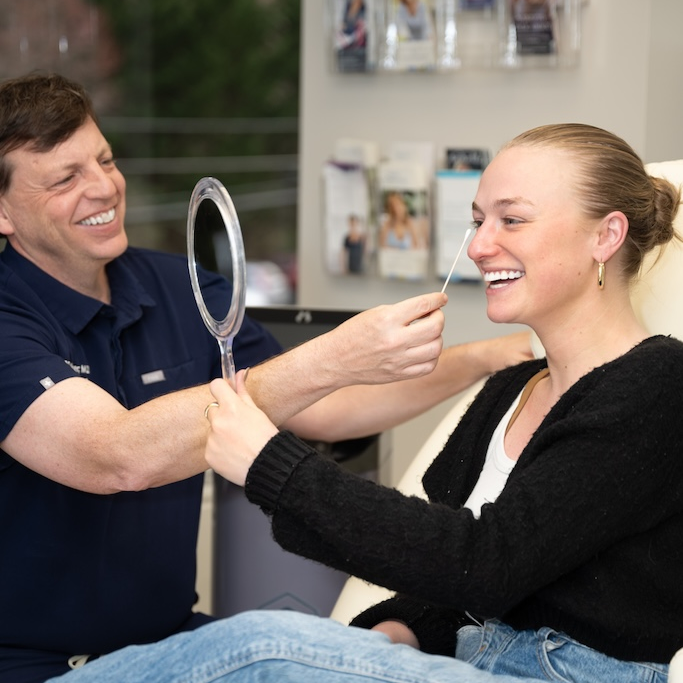
That’s what board-certified plastic surgeons like Dr. Brent Faulkner are here for—to listen to your concerns, assess your skin health, and identify next steps tailored to your goals.
If you have concerns about an unusual new growth or you’re ready to remove an unwanted mole, cyst, or lipoma, call the front desk at Faulkner Plastic Surgery & Aesthetics. To learn more about the realities of mole removal in Rockville, keep reading.
Setting the Facts Straight
Nearly every adult has some moles; they are a normal presence on the skin. While most of these skin growths are benign, you cannot assume all moles are. Many people think they know exactly how the growths develop, what they mean, and how to best remove them.
This information about DIY mole removal and self-diagnosis often comes from sources we trust. However, dismissing your mole as benign or attempting to remove it yourself can lead to a missed opportunity for diagnosis and increase your risk of infection and scarring.
If you notice a new or changing mole, always seek advice from a medical professional. Experts like Dr. Faulkner can conduct proper testing and removal as needed.
Debunking common myths about moles and their removal is the first step in your skin health journey.
Myth: “Skin that’s not regularly exposed to sunlight won’t form cancerous moles.”
Truth: Moles, both cancerous and benign, can appear anywhere on the body, regardless of sun exposure.
Myth: “You can’t develop moles if you wear sunscreen.”
Truth: Limiting your exposure to harmful UV rays and wearing sun protection when possible does help prevent new moles or freckles from developing. However, there is no way to guarantee you will not develop a mole in your lifetime.
Myth: “Every mole is inherently bad/dangerous.”
Truth: Most moles are benign, or harmless. If you notice any new moles or changes in appearance to an existing mole, consult a doctor.
Myth: “A mole with hair can’t be cancerous.”
Truth: Moles of any kind (including those with hair growing out of them) can become cancerous.
Myth: “Moles always come back after removal.”
Truth: Moles fully excised by a doctor or surgeon have very little risk of returning. After a partial excision or incomplete removal, the mole has a small chance of reforming.
Myth: “You can remove moles yourself.”
Truth: There is no safe way to remove moles yourself. Opening a wound outside of a sterile environment always comes with the risk of infection.
There are no FDA-approved methods for treating or removing moles at home, and many products claiming to do so contain harmful ingredients that can cause further injury. Infection or unmonitored healing can also lead to unwanted scarring or mole regrowth.
Finally, attempting mole removal yourself means you lose the opportunity for biopsy and testing.
Evaluating Your Skin Needs
After breaking down some myths, you can take the next step for professional mole removal. In Rockville, Dr. Faulkner listens to your aesthetic and medical concerns to support your skin needs.
Cosmetic Mole Removal
Tired of accidentally nicking a mole when you shave, or snagging your jewelry on a skin growth? If a mole gets in your way or you feel less confident because of its appearance or placement, it’s understandable to seek professional removal.
Dr. Faulkner wants to help you feel like your best self and move through the world with confidence.
Medical Mole Removal
New or changing growths can indicate cancer or other skin concerns. For example, a mole that used to look “normal” might gradually turn red, or its borders might begin to blur.
Keeping a close eye on your existing moles and performing regular skin checks to identify new moles helps you stay on top of your skin health. You can use reference guides like the ABCDE method when checking your moles to identify any irregularities you would like to discuss with Dr. Faulkner.

Consulting an Expert
During your mole removal consultation, Dr. Faulkner starts by reviewing your medical history to confirm your candidacy for the procedure. Arrive prepared to answer questions about any pregnancy, skin conditions, past mole removals, family history of skin cancer, or current medications.
Any other relevant medical history you share, like past hormonal imbalances or a tendency towards keloid scarring, helps guide Dr. Faulkner in his understanding of your skin.
Once you express your cosmetic or medical concerns and Dr. Faulkner examines your skin, he identifies a few potential approaches depending on your medical history, skin type, and mole placement. Then, you decide together on a final procedure plan to boost your self-image and protect your skin health.
If you are using insurance for your mole removal, there is a 7- to 10-day waiting period between the consultation and the procedure, during which our office seeks approval from your insurance provider. We can provide CPT codes if you would like to speak directly to your insurance provider regarding costs associated with the procedure. Given patient privacy surrounding financials, insurance providers do not share financial information with our office.
Preparing for Your Procedure
In the days leading up to your mole removal in Rockville, you need to take a few steps to prepare for your appointment:
- Be sure to provide Dr. Faulkner with a list of any allergies and current medications or supplements.
- Mention the most recent changes (if any) to your mole and the surrounding skin.
- Avoid fake tanning products or makeup that could alter your skin’s natural coloring, as this hinders Dr. Faulkner’s ability to examine your skin and the growths.
Removing the Moles
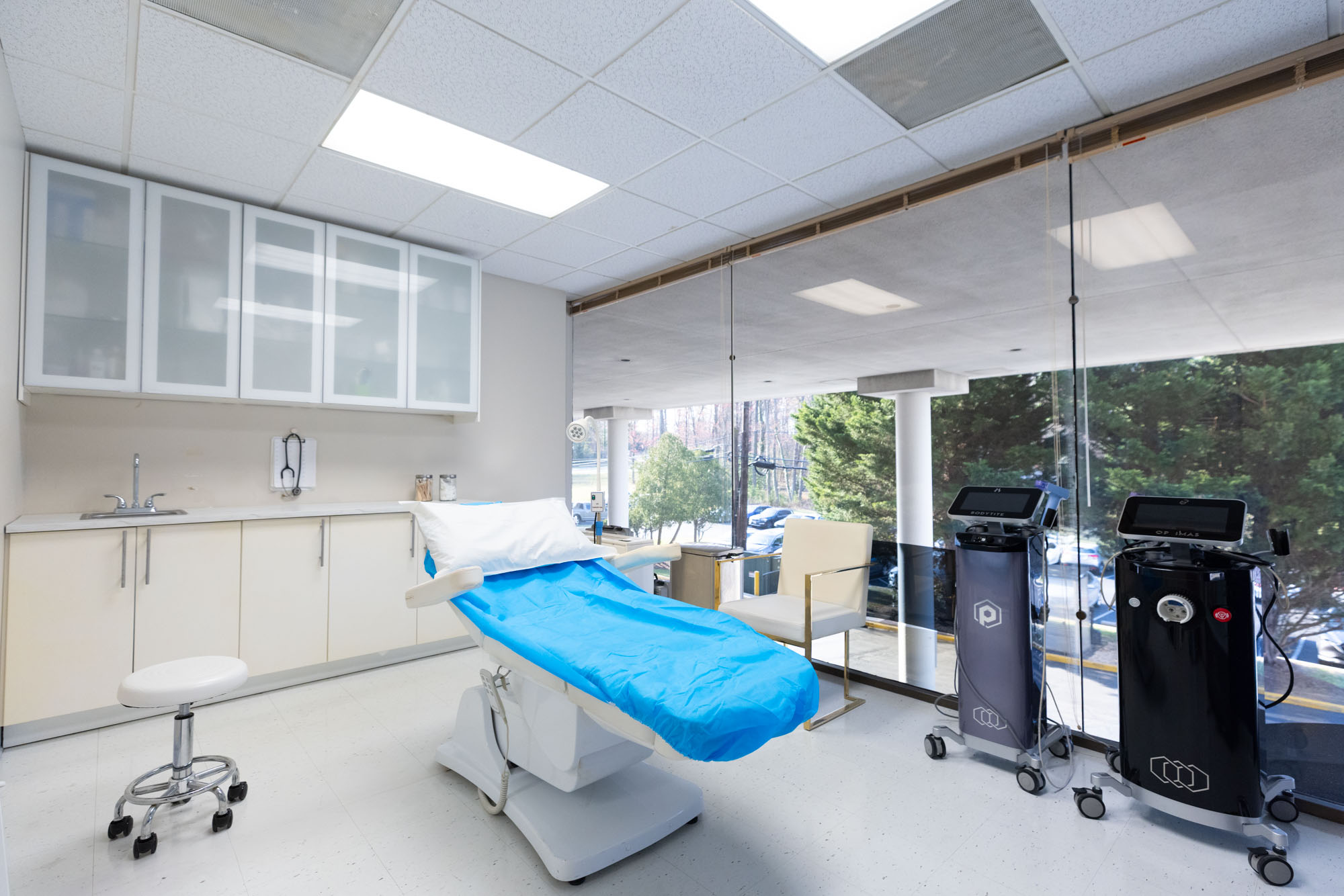
In the treatment room, Dr. Faulkner prioritizes your comfort. The process of mole removal in Rockville will be quick, and because we treat the area with a local anesthetic, you will not feel pain.
Mole Excision
At the beginning of the procedure, Dr. Faulkner marks the mole designated for removal and cleans the growth and surrounding skin. This is a minor procedure, so you do not need to go under anesthesia for removal. Instead, Dr. Faulkner numbs the area with an injectable anesthetic for your comfort.
Using a scalpel, Dr. Faulkner surgically excises, or cuts, the unwanted mole from the surrounding skin. Depending on the type of mole, he may also take a small amount of skin around the mole for comprehensive removal of any abnormal cells.
After he removes the growth, Dr. Faulkner applies pressure to the wound and may cauterize the area to stop any bleeding. He then uses sutures to close the skin.
Throughout the process, Dr. Faulkner prioritizes your desired results, making every effort to minimize scarring and preserve your skin health.
Once he removes the mole, Dr. Faulkner sends the entire tissue to a laboratory for testing. Even if you want your mole removed for aesthetic reasons, Dr. Faulkner does his due diligence for every patient.
Planning for Recovery
Following a mole removal in Rockville, most patients drive themselves home, as the local anesthetic does not affect motor or cognitive function.
Dr. Faulkner will see you within 10 days of your procedure for suture removal. During this follow-up appointment, he shares information about scar creams and gels. The healing process typically takes 2 to 3 weeks, and minor tenderness around the area is common. This recovery period does not require you to change your usual activities unless they cause discomfort.
Our team provides wound care instructions based on your mole placement and lifestyle, but the primary goal is to keep the wound clean, moist, and protected. This means changing your dressing as directed by Dr. Faulkner and avoiding topical antibiotic ointments, as they can hinder your body’s healing.
As with most surgical procedures, Dr. Faulkner recommends avoiding bodies of water like lakes, hot tubs, or swimming pools for the first few weeks as your sensitive skin heals.
Taking good care of your healing scar helps minimize its appearance. Once it’s healed, use Silagen, a medical-grade silicone, to protect the scar. Dr. Faulkner also strongly recommends that you keep the scar out of the sun as much as possible and always wear sunscreen over the scar and surrounding skin. Silagen has an excellent silicone gel with SPF.
Protecting Your Skin Health
Understanding the proper approach to mole removal preserves the health, look, and feel of your skin. Dr. Faulkner proudly provides minor procedures like mole removal in Rockville to keep you feeling confident in your care—and protected from harmful mole removal myths that can lead to unnecessary injury, scarring, or misdiagnosis.
Though it’s tempting to only trust your search engine for answers, you should always seek professional advice from board-certified plastic surgeons like Dr. Brent Faulkner. He takes your cosmetic and reconstructive concerns seriously, because he knows you do!
Leave Mole Removal to the Experts
You don’t have to navigate through endless home remedies or contradicting health advice to find the skin you’re looking for. Contact Dr. Faulkner’s front desk team for professional mole removal in Rockville.
Faulkner Plastic Surgery & Aesthetics cares for the whole person, whether your concern is medical or cosmetic. Read about our other minor surgical procedures, like otoplasty and basal cell skin cancer removal, performed right here in Maryland.